These statements have not been evaluated by the Food and Drug Administration. This service is not intended to diagnose, treat, cure, or prevent any disease. It is essential to consult with a qualified healthcare professional for any health concerns or before making any decisions related to your health or treatment.
Ready to try HBOT? Book your first session online.
Hair Loss After a Facelift: Why It Happens and What Helps
Facelift
Hair Loss
Cosmetic Surgery
Hyperbarics
HBOT
This article is for educational purposes only and is not medical advice. OxyRenew provides hyperbaric oxygen sessions for general wellness, not to diagnose, treat, cure, or prevent any disease or condition. Hyperbaric chambers are FDA-cleared medical devices only for certain medical conditions, and OxyRenew does not provide medical treatment. Always consult a qualified healthcare professional about any health concern.
Facelift surgery may cause swelling and bruising in the face that can last for weeks after the procedure. Learn the recovery strategies surgeons commonly recommend and where Hyperbaric Oxygen Therapy (HBOT) fits in.
Swelling after liposuction hides the result for weeks and can take months to settle. What causes it, how the timeline runs, and what the published HBOT cohorts in body contouring did and did not measure.
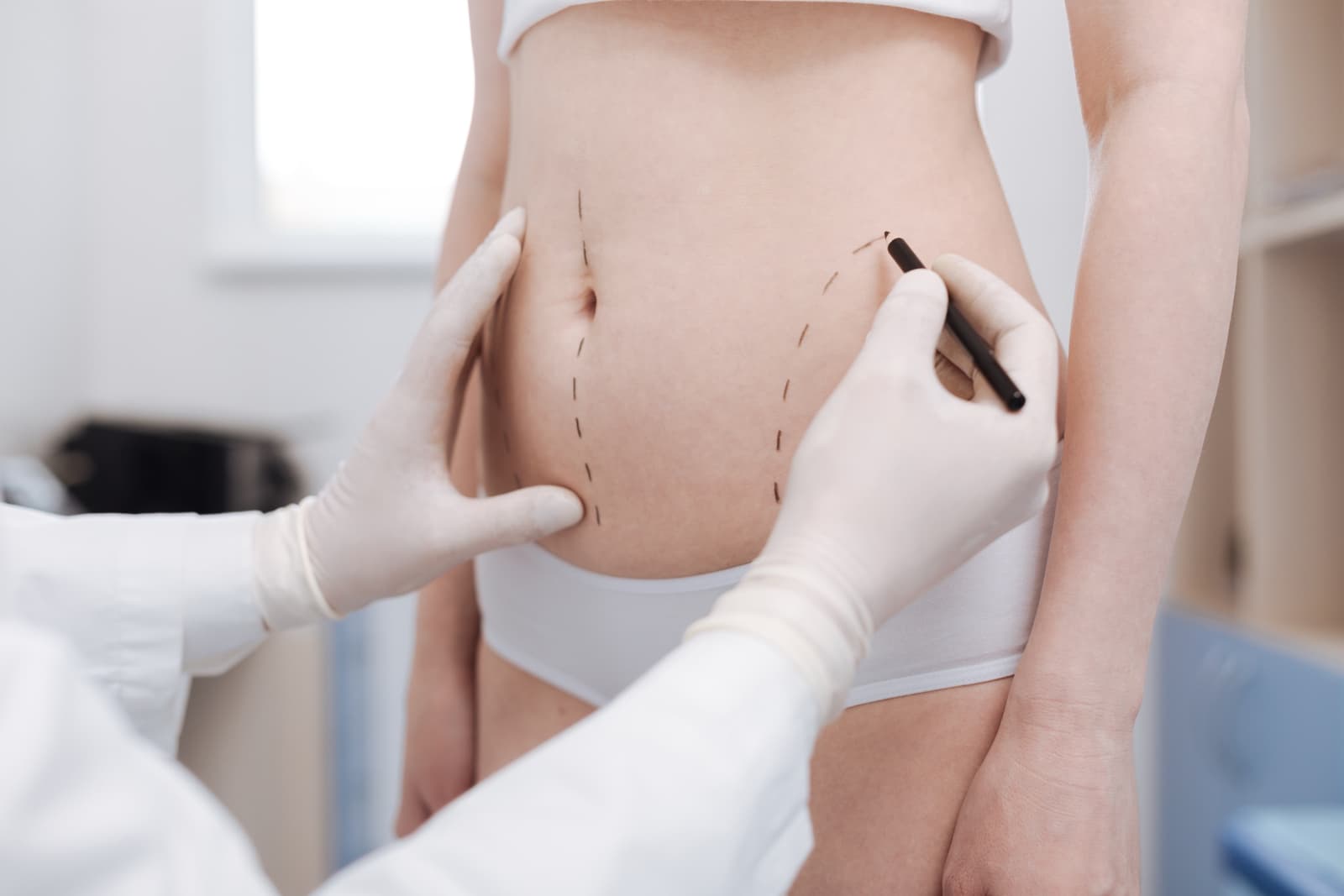
A mommy makeover is two recoveries at once. What the abdominal and breast sides involve, how the timeline usually runs, and what the abdominoplasty and aesthetic surgery cohorts reported about HBOT.
These statements have not been evaluated by the Food and Drug Administration. This service is not intended to diagnose, treat, cure, or prevent any disease. It is essential to consult with a qualified healthcare professional for any health concerns or before making any decisions related to your health or treatment.
Ready to try HBOT? Book your first session online.
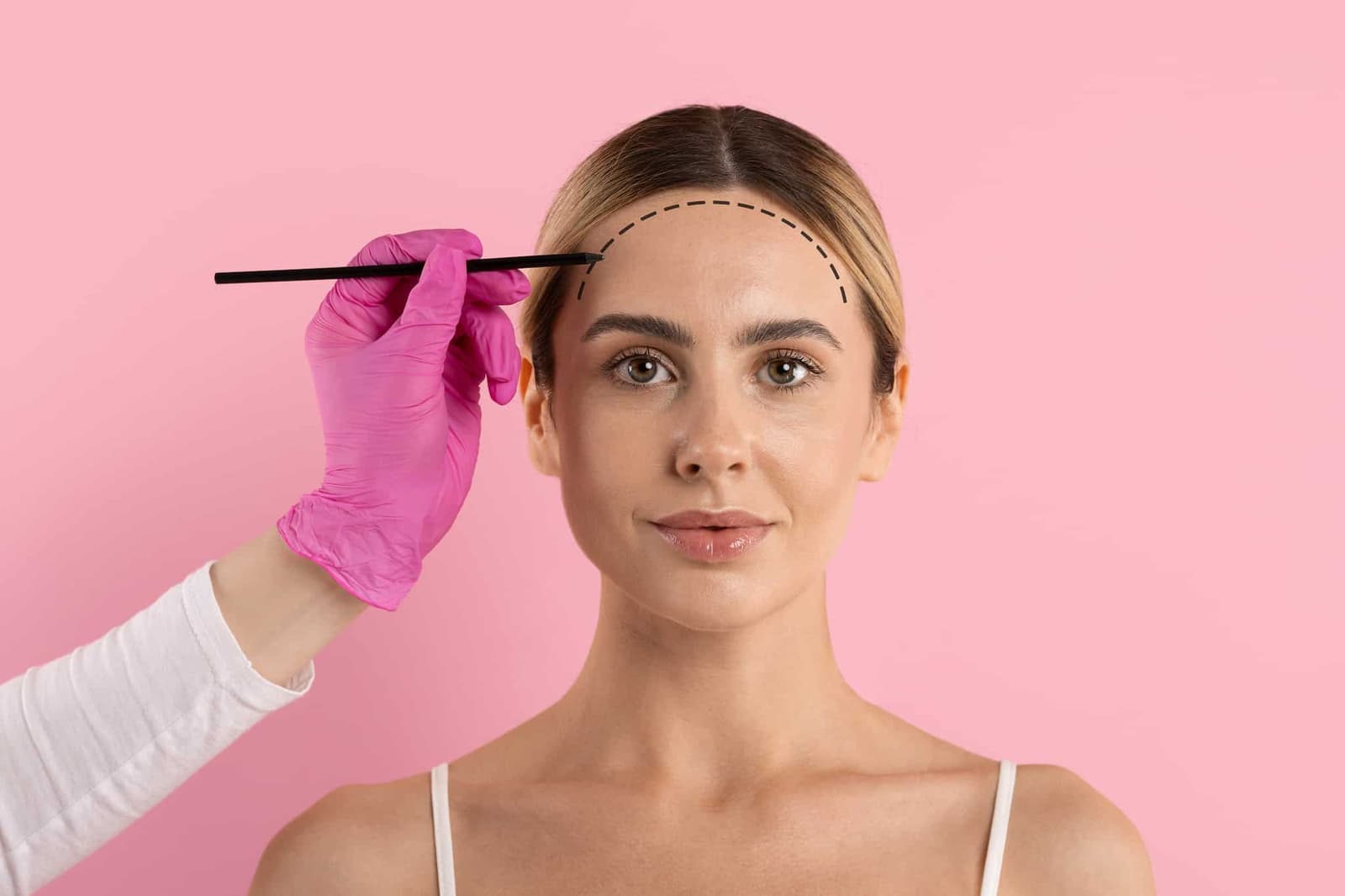
Hair loss around the incision lines is a recognized side effect of facelift surgery. It usually appears in the weeks after the procedure, at the temples, along the sideburns, and behind the ears, and it can be alarming, because the hairline frames the result you paid for. Most of this shedding is temporary. This article covers why it happens, which loss grows back, and what the Hyperbaric Oxygen Therapy (HBOT) evidence from hair transplant patients suggests about supporting follicles after surgery.
Why hair falls out after a facelift
Two separate processes are involved, and they behave differently.
Shedding near the incisions: follicles close to the incision lines experience surgical trauma and skin tension, and the blood supply around the repositioned skin is temporarily reduced. Stressed follicles drop into the telogen, or resting, phase and shed their hairs. They stay in that resting phase until blood supply and healing allow them to return to the growth cycle.
Diffuse shedding: the physiological stress of surgery itself can trigger telogen effluvium, a temporary increase in shedding across the whole scalp that shows up weeks after the procedure and is not limited to the incision areas.
Which hair loss is temporary, and which is not
Shedding from the telogen response is usually temporary. As healing completes and blood supply recovers, follicles re-enter the growth phase and hair typically returns over the following months.
Hair that sits directly in the incision line is different. Follicles that are cut or end up inside scar tissue can be permanently affected, which is why surgeons plan incision placement around the hairline. Persistent bald areas along a scar are a conversation for your surgeon.
The hair transplant evidence
No published trial has tested HBOT for hair loss after a facelift specifically. The published evidence is in hair transplant patients, where the follicle stress is the same in kind: surgical trauma and reduced blood supply pushing follicles into the resting phase.
Fan, Zhe-Xiang et al. (2021) : a clinical trial of 34 FUE transplant patients. The HBOT group shed less in the early period (27.6% vs. 69.1%), had less itching and folliculitis, and reported higher early satisfaction. At nine months, graft survival did not differ significantly between the groups.
Parnis, Fenech Magrin, and Hassan (2024) : an evidence review of HBOT across aesthetic practice that covers the trial above and recommends larger randomized trials with longer follow-up.
The mechanism is the same one described in those studies: at 2.0 ATA, substantially more oxygen dissolves into blood plasma, and clinical studies have examined how that added oxygen interacts with new blood vessel formation around healing tissue. Whether this transfers to facelift-related shedding has not been studied. The mechanism overlap is the reason patients consider it.
Timing around a facelift
For surgical clients, a 6-session package is typically structured as one session before surgery and five as soon as possible after, sometimes the same day if your doctor allows. The pre-surgery session follows the pre-conditioning rationale: raising tissue oxygenation before the trauma occurs. Read the science of HBOT pre-conditioning before surgery.
HBOT is not FDA-cleared for hair loss or facelift recovery. Discuss the timing with your surgeon, and for the swelling and bruising side of recovery, read how to reduce swelling and bruising after a facelift.
HBOT in Los Angeles
At OxyRenew in West Hollywood, sessions run in a private 2.0 ATA hard-shell chamber with a Certified Hyperbaric Technician monitoring from start to finish. You sit or recline during the session and breathe concentrated oxygen through a mask or cannula.