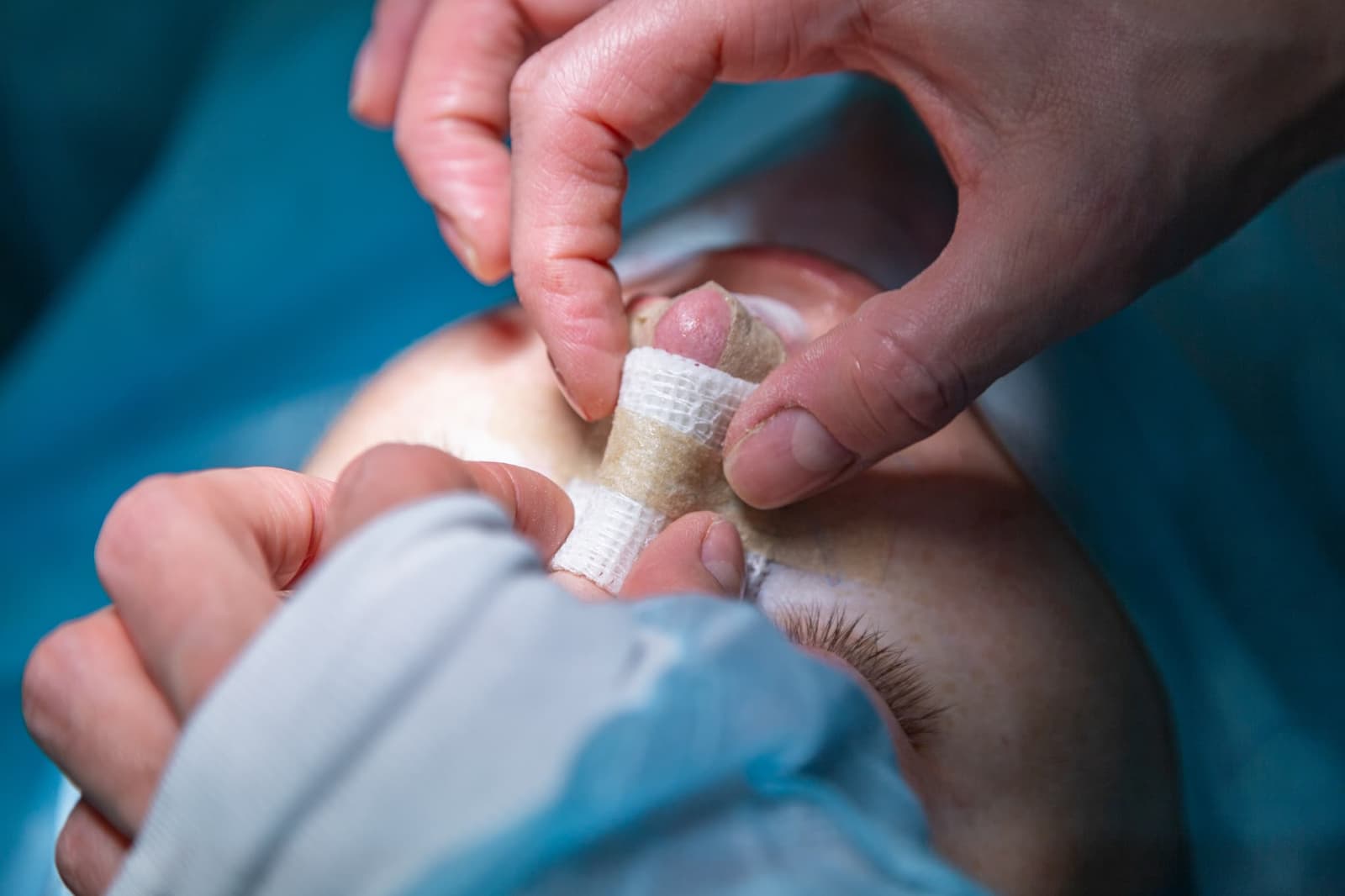
Undergoing surgery, whether it's a minor procedure or a major operation, is a significant event for your body. While modern surgical techniques have come a long way, the healing process still relies heavily on your body's innate ability to repair itself. Proper nutrition and targeted supplementation can play a crucial role in supporting this process, helping you bounce back faster and stronger.
Many patients understandably worry about aspects of post-surgical recovery such as bruising, swelling, pain management, infection risk, and scarring. While your surgeon will provide specific post-operative care instructions, there are proactive steps you can take to optimize your body's healing environment.
Key Supplements for Surgical Recovery
When preparing for and recovering from surgery, certain supplements can provide your body with the extra support it needs. Here's a breakdown of some of the most beneficial options:
Protein: As the building block of tissues, adequate protein intake is essential for wound healing. Surgery increases your body's protein requirements, so consider incorporating high-quality protein sources like lean meats, fish, eggs, or plant-based options like legumes and tofu. Protein powders, such as whey or collagen, can be a convenient way to supplement your intake, particularly if your appetite is reduced post-surgery.
Vitamin C: This powerful antioxidant plays a vital role in collagen synthesis, which is crucial for repairing skin, blood vessels, and other connective tissues. Vitamin C also supports immune function. Citrus fruits, berries, bell peppers, and leafy greens are excellent dietary sources. Supplementation may be beneficial, especially in the immediate post-operative period.
Vitamin A: Essential for cell growth and differentiation, vitamin A supports the early stages of wound healing and helps regulate inflammation. It also plays a role in immune function. Good sources include sweet potatoes, carrots, spinach, and liver. When supplementing, it is best to stick to the recommended daily allowance, as excessive vitamin A intake can be harmful.
Zinc: This trace mineral is involved in numerous aspects of cellular metabolism, including protein synthesis and cell division. Zinc deficiency can impair wound healing and increase the risk of infection. Oysters, red meat, poultry, and pumpkin seeds are good dietary sources. Zinc supplementation may be particularly helpful for individuals with pre-existing deficiencies.
Bromelain: This enzyme, found in pineapples, has anti-inflammatory properties that may help reduce post-surgical swelling and bruising. Some studies suggest it could also aid in pain management and tissue repair. However, bromelain has mild blood-thinning effects, so it may not be suitable for individuals taking anticoagulant medications or those at risk of excessive bleeding. Consult your surgeon before use.
Arnica Montana: This homeopathic remedy is often used to help alleviate bruising, swelling, and muscle soreness. While many patients report benefits, scientific evidence on its effectiveness remains mixed, with some studies showing little to no measurable effect. Arnica is available in both topical and oral forms, but oral preparations should be used with caution as some formulations may be toxic in large doses.
Glutamine: This amino acid is essential for immune function and gut health. Surgery can deplete glutamine stores, so supplementation may be beneficial for supporting recovery and reducing the risk of complications. Glutamine is found in high-protein foods and is also available as a supplement.
Omega-3 Fatty Acids: These essential fats have anti-inflammatory properties and may support cardiovascular health, which is particularly important during the recovery period. Fatty fish like salmon, mackerel, and sardines are excellent sources. However, high doses of omega-3s, particularly from fish oil supplements, can have blood-thinning effects. Many surgeons recommend discontinuing fish oil supplements before surgery to reduce the risk of excessive bleeding. Always check with your doctor before continuing or stopping omega-3 supplementation.
Common Concerns and How to Address Them
While every surgery is different, many patients share similar concerns about the recovery process. Here's how to address some of the most common worries:
Bruising and Swelling: These are normal responses to surgical trauma. Applying ice packs in the first 24-48 hours can help minimize swelling. Elevating the affected area above heart level can also reduce fluid buildup. Supplements like bromelain and arnica may help lessen the severity of bruising and swelling.
Pain Management: Your surgeon will prescribe pain medication as needed. It's important to take these medications as directed and not try to "tough it out," as uncontrolled pain can hinder the healing process. Non-pharmacological approaches like meditation, deep breathing exercises, and gentle movement can also be helpful.
Infection Risk: Keeping the surgical site clean and dry is crucial for preventing infection. Follow your surgeon's instructions regarding wound care and dressing changes. Signs of infection include increased redness, swelling, warmth, pain, or pus-like drainage. If you notice any of these symptoms, contact your surgeon immediately. Supplements like vitamin C, vitamin A, and zinc can help support immune function.
Scarring: Once the wound has closed, you can take steps to minimize scarring. Keeping the area moisturized with a gentle, fragrance-free lotion can help. Silicone sheets or gels have been shown to improve the appearance of scars. Massaging the scar tissue can also help break down collagen buildup and improve flexibility.
Introducing Hyperbaric Oxygen Therapy (HBOT)
Hyperbaric Oxygen Therapy (HBOT) is another option some people use around surgery. HBOT involves breathing oxygen in a pressurized chamber, which increases the amount of oxygen dissolved in your blood.
Areas being researched around surgical recovery include:
Inflammation and Swelling: HBOT has been studied for effects on inflammation and swelling after surgery. The proposed mechanisms are increased oxygen delivery to tissues, modulation of the immune response, and vasoconstriction that reduces fluid buildup.
Tissue Oxygenation: Angiogenesis (the formation of new blood vessels) and collagen synthesis are oxygen-dependent processes. This is why HBOT has been studied around elective surgery.
Scarring: HBOT has been studied for effects on scarring after cosmetic and other elective procedures. It may influence prolonged inflammation, which is one reason it is under study; an effect on scar appearance has not been established.
HBOT is an investment in your recovery and overall well-being. While it's not a substitute for proper nutrition and following your surgeon's care instructions, it can be an addition to your post-operative plan if your surgeon agrees.
HBOT and elective surgery
If you are preparing for surgery, HBOT is one option to raise with your surgeon. HBOT is non-invasive.
OxyRenew offers HBOT sessions in a 2.0 ATA hard-shell chamber. Your surgeon decides whether it fits your recovery; a Certified Hyperbaric Technician can answer questions about scheduling.
If you are planning surgery or are currently recovering, contact us to ask questions or book your first session. You can also read about HBOT before surgery and more about HBOT for surgery recovery.
Important Considerations
It's crucial to consult with your surgeon and healthcare team before starting any new supplements or therapies, including HBOT. They can provide personalized recommendations based on your medical history, the type of surgery you're having, and any medications you're taking.
Supplements and HBOT are not a replacement for your surgeon's instructions. Be sure to adhere to all wound care guidelines, activity restrictions, and follow-up appointments.
Remember, healing is a journey, not a race. Be patient with your body and allow it the time it needs to recover fully. By combining proper nutrition, targeted supplementation, and potentially HBOT, you can give yourself the best possible chance for a smooth, successful recovery.